
The Shutdown Has Hit Flood Insurance Hard
The NFIP government shutdown 2025 has paused more than just federal paychecks. It has frozen the backbone of flood protection for millions of American homeowners. The National Flood Insurance Program (NFIP) exists to help property owners manage flood risk through affordable, federally backed insurance. It also enforces community floodplain management and disaster recovery rules.
But when Congress fails to renew funding, the NFIP grinds to a halt. Policies can’t be renewed. Claims get stuck. And homeowners in high-risk zones face financial exposure just as storm season peaks.
What the NFIP Shutdown Really Means

When the government doesn’t reauthorize NFIP, its authority to issue or renew policies expires.
Policy Renewals Are on Hold
During a funding lapse, NFIP cannot issue new policies or process renewals. Active policies remain valid until their expiration date, but once they lapse, coverage ends. There’s no guarantee of retroactive coverage once the program resumes.
For homeowners whose renewals fall in the shutdown window, that means a dangerous coverage gap one major flood away from total loss.
Claim Payments May Slow Down
NFIP claims submitted before the shutdown can still move forward, but with far fewer staff and limited funds. FEMA’s borrowing authority drops drastically, so large payouts are delayed.
Adjusters continue reviewing cases, but without full funding, approvals crawl. It’s a classic example of how red tape meets real-life devastation.
The Ripple Effect of NFIP’s Lapse
The NFIP shutdown creates ripple effects that reach beyond homeowners. It stalls real estate deals, slows disaster recovery, and shakes economic confidence.
Delays in Home Sales and Closings
Mortgage lenders require active flood insurance on properties in high-risk zones. When NFIP can’t issue policies, closings stall nationwide. Thousands of transactions can freeze daily until the program restarts. For realtors, lenders, and buyers, it’s a domino effect of delay.
FEMA’s Operations Freeze
The FEMA flood insurance funding freeze affects more than insurance. FEMA’s broader disaster management, mitigation, and housing assistance programs also slow down. With fewer active personnel, approval times for disaster grants stretch for months.
The agencies that cities rely on to recover are now waiting on the same budget negotiations as everyone else.
Homeowners Face Coverage Gaps
The most direct pain is felt by homeowners. Without coverage, even a small flood can lead to financial ruin. Private flood insurance exists but costs more and is limited to select areas. For most, NFIP remains the only realistic safeguard.
The Economic Toll of the Shutdown

The NFIP shutdown doesn’t just affect insurance it shakes entire communities.
Real Estate Market Instability
Without insurance, lenders hesitate to fund purchases in flood zones. Construction halts, home improvement loans slow, and investor confidence weakens.
When buyers back away from floodplain properties, property values decline, creating long-term local economic strain.
Community-Level Impacts
Municipalities enrolled in NFIP’s flood management programs also lose access to federal support for flood mitigation. That means fewer resources for upgrading levees, installing drainage systems, or raising vulnerable homes.
In the long run, the absence of NFIP-backed resilience funding can multiply recovery costs after natural disasters.
Why Congressional Gridlock Hurts Flood Victims Most
The NFIP’s repeated lapses show how political disagreements translate into household-level risk.
Flood-Prone States Carry the Burden
States like Florida, Louisiana, and Texas hold millions of active NFIP policies. During hurricane season, even a short pause in coverage can lead to catastrophic losses.
Private Insurance Isn’t the Easy Fix
While private flood insurers can issue new policies, their premiums are often double or triple NFIP rates. Some even exclude high-risk ZIP codes entirely. For low- and middle-income families, private coverage is often out of reach.
So when NFIP halts, it’s not just an inconvenience — it’s an equity issue.
Protecting Yourself During the NFIP Shutdown
While the shutdown is beyond individual control, you can minimize risk by planning ahead.
- Check your policy expiration date and renew early when possible.
- Consider temporary private coverage if you’re in a high-risk zone.
- Ask your lender about transferring an existing seller’s policy during property purchase.
- Keep proof of property condition in case claims are delayed post-shutdown.
| Stay Protected While NFIP Is Frozen Prime Life Financial helps homeowners find private flood insurance alternatives until FEMA funding returns. Get Help |
The Bigger Picture — FEMA, Funding, and Flood Recovery
FEMA’s Reduced Capacity
FEMA operates on congressional funding cycles. When the government shuts down, the agency must prioritize life-saving operations and delay all nonessential functions.
That means recovery projects, housing assistance, and rebuilding grants move to the back of the line. The slower FEMA gets, the longer it takes for communities to recover.
H3: Federal Disaster Assistance Delays
Image Area Blank
Alt Text: Insurance agent discussing coverage with homeowner
Caption: Reviewing coverage options before flood season begins
FEMA disaster grants and relief payments also depend on active appropriations. During a shutdown, those payments stop midstream. Local governments waiting on infrastructure or emergency funding must pause recovery work, leaving neighborhoods vulnerable to recurring damage.
| Don’t Wait for Congress to Act Prime Life Financial can help you review flood protection options and secure coverage even during uncertain times. Talk Now |
The Road Ahead — What Comes Next
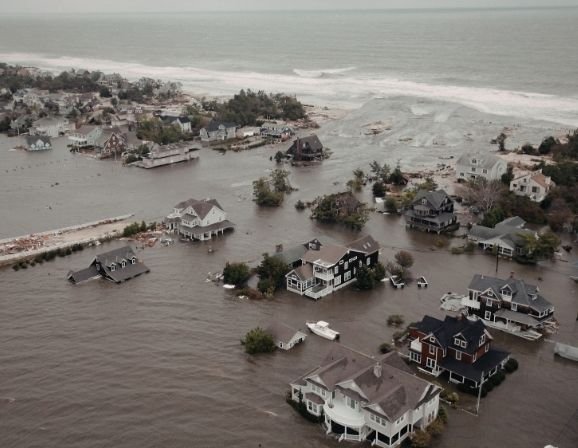
The NFIP has weathered lapses before, but the 2025 shutdown feels heavier. Each gap in coverage weakens trust in the system meant to protect homeowners. Some lawmakers argue for privatizing flood insurance altogether. Others push for reforms linking NFIP premiums to true risk levels using modern flood mapping.
Once Congress approves funding, policies and renewals will resume quickly. But clearing the backlog of suspended claims and delayed closings may take weeks.
The greater concern is public confidence. If homeowners begin to view flood protection as unstable, participation in NFIP could fall, creating a dangerous cycle of underinsurance just as climate risks intensify.
The Bottom Line
The NFIP government shutdown 2025 shows how deeply federal funding impacts everyday security. Homeowners in flood-prone zones can’t wait for politics to settle. They need coverage continuity, timely claim payments, and proactive guidance.
Until NFIP funding is restored, the smartest step is to stay vigilant, check your expiration dates, explore interim options, and keep flood readiness documents safe. Floods won’t wait for Congress. Neither should you.
FAQs
What happens to flood insurance if FEMA shuts down?
Existing NFIP policies stay valid until they expire. But new policies and renewals pause until Congress reauthorizes FEMA’s funding.
What is the main purpose of the National Flood Insurance Program?
NFIP provides affordable flood coverage and enforces floodplain management rules to reduce long-term damage from natural disasters.
What could FEMA’s shutdown mean for flood insurance?
It can cause claim delays, freeze policy renewals, and leave many communities without financial protection during active storm seasons.
What is going on with flood insurance now?
The NFIP’s authorization lapsed under the federal shutdown, halting policy renewals and slowing claims across the nation.
References
Authorization for National flood Insurance program lapses amid shutdown. (2025, October 6). National Low Income Housing Coalition. https://nlihc.org/resource/authorization-national-flood-insurance-program-lapses-amid-shutdown?